Outdoor Resin Furniture or Wood for Everyday Patio Use
Choosing between outdoor resin furniture and wood comes down to how a patio is used, how much care feels reasonable, and what kind of look suits the space. Both can work well around patio dining tables, but they behave differently once they face sun, rain, spills, and regular movement. Resin tends to suit busy, casual areas. Wood often appeals where a natural finish and a more traditional feel matter most.
Start with the setting. A patio that bakes in afternoon sun, sits near a pool, or stays damp after rain puts furniture under steady stress. A sheltered courtyard with careful placement and routine upkeep gives wood a easier life. The best choice is rarely about one material being universally better. It is about matching the furniture to the location and the habits of the people using it.
How Resin and Wood Handle Daily Weather
Resin furniture is made from synthetic material designed for outdoor conditions. A common benefit is that it does not need sealing, staining, or painting to keep performing. Rain can bead or run off smooth surfaces, and routine cleaning is usually a matter of wiping away dirt and debris. For patio dining tables that host frequent meals, that simple routine can be a real advantage. Spills from drinks or food are less likely to become a long-term mark when they are cleaned promptly.
Wood has a different relationship with weather. Many woods can be left outdoors, but they need the right finish and ongoing attention. Sun can fade color, moisture can cause swelling or warping, and repeated wet and dry cycles can affect joints. A protective finish helps, yet it wears down over time. Homeowners who enjoy maintaining a deck or garden fence may accept that rhythm. Those who want furniture ready for use with little fuss may find resin more practical.
Weather resistance also depends on construction. A table with a stable frame, well-fitted legs, and a surface that drains or dries quickly will usually be easier to live with. The same is true of chairs that do not trap water in seams or hard-to-reach corners. When comparing patio dining tables, look beyond the material name and consider the shape, edges, supports, and how easily the surface can be cleaned after a storm.
Comfort, Feel, and Everyday Use
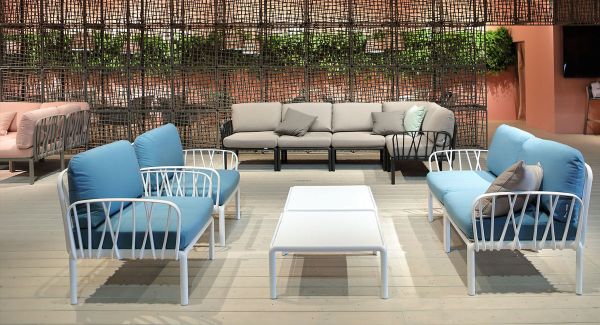
Comfort is not decided by material alone. Seat shape, back angle, chair dimensions, and table height all matter. Resin chairs can be molded into rounded forms that support the body without cushions, and many are light enough to move when the seating arrangement changes. That can be useful for patios used for both casual drinks and full meals. Stackable chairs are often chosen where flexible seating matters, since they can be stored compactly when not in use.
Wood has a warmth that is hard to copy. It can feel more substantial, and it pairs naturally with gardens, brick patios, and classic outdoor settings. Some people prefer the texture of a wooden chair or the visual depth of a timber tabletop. That said, wood furniture can be heavier, and rough edges or unfinished areas may need attention. seat comfort can also change if a finish wears unevenly or if the furniture is left exposed for long stretches.
For everyday meals, think about how people actually sit down and get up. Chairs should feel stable on the patio surface, with enough space for elbows and plates. Tables should sit at a height that works with the chairs rather than forcing an awkward reach. If the same area is used by children, older adults, or guests who move in and out often, easy movement and predictable seating can matter more than the material itself.
Outdoor-resin-furniture can fit neatly into this practical way of thinking, especially when the goal is simple care and flexible use around a dining area. The material is often chosen for spaces where furniture is moved, wiped down, and exposed to changing conditions. Wood still has a place, particularly where its appearance is central to the design. The decision becomes clearer once comfort and routine are weighed alongside looks.
Maintenance and Long-Term Appearance
Maintenance needs are one of the biggest differences between these options. Resin generally asks for gentle cleaning with mild soap and water, plus attention to dirt that collects in joints or under feet. A soft cloth or brush is usually enough for ordinary buildup. Harsh abrasives can dull the surface, so it is wise to avoid scraping marks even when a material is weather friendly.
Wood maintenance is more involved. Depending on the finish, it may need cleaning, drying, and renewed protection as the surface weathers. Leaving leaves, standing water, or grit on a wooden table can shorten the life of the finish and leave marks. Furniture covers may help, but they need to be used carefully so moisture does not sit trapped underneath. A covered table in a damp, shaded corner can develop problems just as easily as an uncovered one.
Appearance over time is another point of comparison. Resin keeps a more consistent finish because color is commonly built into the material rather than sitting only on the surface. Scratches may still show, but the overall look tends to stay even. Wood changes more visibly. Some people like the silvered patina that develops naturally. Others prefer to keep a richer tone through regular finishing. Neither outcome is wrong, but they call for different expectations.
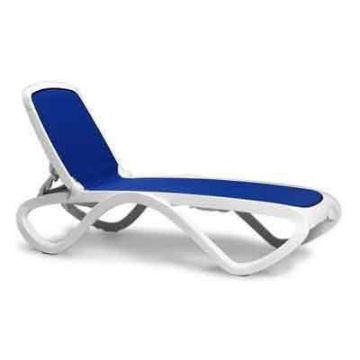
Outdoor-resin-furniture is often considered in settings where furniture is used frequently and stored or rearranged with minimal effort. Wood suits a slower approach, where upkeep is part of the appeal and the patio is treated as a changing outdoor room. In both cases, small habits make a difference. Clearing debris, allowing surfaces to dry, and checking feet or joints on a regular basis help furniture last longer.
Planning the Patio Layout
Before choosing a material, sketch the space in practical terms. Measure the dining area, leave room for chairs to pull back, and keep a clear path for people carrying plates or drinks. patio layout affects the choice because a tight space may call for slimmer chairs, a smaller table, or pieces that can be stacked or moved aside. A broad open patio can support a larger dining set and more relaxed spacing.
Think about shade, drainage, and nearby surfaces. Furniture placed on grass, stone, decking, or concrete will meet different levels of moisture and unevenness. Feet that sit evenly on a hard surface may sink into soft ground after rain. If the patio slopes, water may collect near one table leg or under one chair. Fixing the drainage or adjusting the placement is more useful than expecting any material to ignore standing water.
Storage is also part of the decision. Resin pieces are often light and may stack, which helps when the patio is used for several purposes. Wood may require more care during storage, especially if it is kept outdoors through wet or cold months. If furniture must stay outside year-round, choose pieces with construction that allows water to shed and airflow to move. Covers can help with dust and leaves, but furniture should be dry before being covered.
When Resin Suits Everyday Patio Dining
Resin is a strong fit for patios where meals happen often and cleanup needs to be quick. Families, shared outdoor spaces, poolside dining areas, and commercial settings often favor furniture that can handle movement and frequent wiping. The reduced need for refinishing makes it easier to keep the dining area looking tidy without setting aside regular maintenance time.
It also suits people who like a clean, modern appearance. Resin furniture is available in many shapes and finishes, so it can blend with contemporary patios or sit quietly beside planted borders. For smaller spaces, stackable chairs and compact tables can make the area feel more useful without adding visual clutter. The key is to choose pieces with sensible proportions rather than relying on material alone to solve a layout problem.
When Wood Still Makes Sense
Wood suits patios where appearance and tradition lead the decision. It works well with natural surroundings, classic paving, and garden settings where texture matters. It can also be a good choice for people who already maintain wooden structures and are comfortable with periodic care. In those settings, the changing surface is part of the character rather than a drawback.

Wood may also feel right for occasional dining in a sheltered space. If the patio is used lightly, kept clear of standing water, and protected from harsh afternoon sun, the upkeep burden is smaller. Careful placement makes a noticeable difference. A table under cover, with chairs stored dry when not in use, will generally age more gracefully than the same set left exposed.
Making the Choice With Confidence
Compare the options by looking at the routine, not just the finish. Ask how often the table will be used, whether chairs will be moved daily, how much rain and sun the area receives, and how much upkeep feels acceptable. These questions usually point to a clear answer faster than a broad claim that one material always wins.
For everyday patio use, resin offers convenience, consistent appearance, and easy movement. Wood offers natural character and a more traditional feel, with maintenance as part of the bargain. patio dining tables sit at the center of that choice because they bring people together in one spot, often under the same weather and the same cleaning routine. A careful look at the space, the seating, and the way the patio is used will lead to a set that feels right for years of ordinary meals.